
 If you’ve ever felt that the way the PlayStation handled straight lines was a little off, you’re not alone. Sony’s 32-bit powerhouse dealt with its polygons in an imprecise way which often left various clipping issues and an unusual perspective from some camera angles. Through the magic of emulation though, this is all about to change.
Powered by WPeMatico
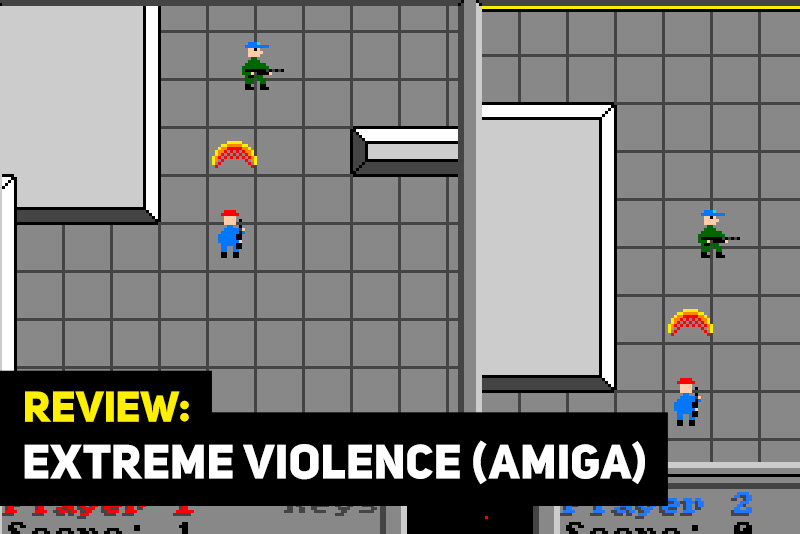
 You’ll probably look at the title above, presumably glance ever so briefly at the screenshots and more than likely scroll down from this article and read the latest gaming news instead. If you haven’t then you must be reading this so perhaps carrying on with the article was a good idea. Below is an in depth study on how making a game in the comforts of your own home and sharing it for free with the world is truly independent of publishers and third party developers who want to add skimpy clad ladies to the front cover for no reason. Below is what happens when you design an interactive experience for two people around that ever dying human emotion called fun.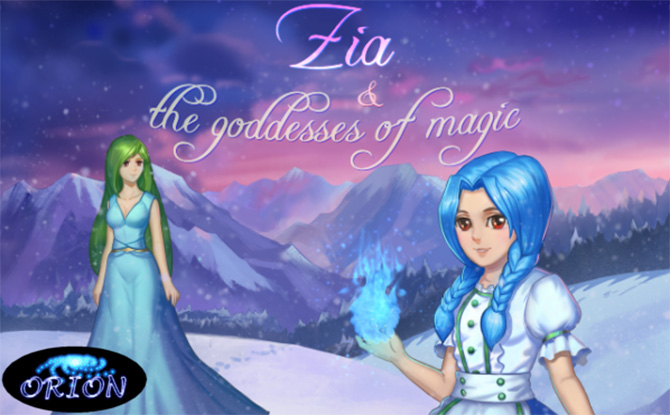
 2016 continues to be hell of a year for the homebrew indie scene with the recent announcement of 16-Bit style RPG Zia and the Goddesses of Magic for the Dreamcast, Sony PlayStation 1 and for STEAM.
 Do you remember the first game purchased with your own hard earned pocket money? Making the small trek to Planet Games back in the good ol’ days of the late 80s (exact dates elude me as now I can’t even do simple maths let alone remember an arbitrary time period) and spending what must have felt like an eternity for my dad as my brother and I picked our first ever store bought games. We were lucky enough to get a Commodore 64 one Christmas – my dad must have worked six jobs at the time as we weren’t a well to do family so fair play to him – so we already had some pack in games but there is nothing quite like poring over countless cassette tapes, artwork, squinting at screen shots and (more importantly) the prices to find that one game to rule them all for the next six months before a birthday or even the next birth of a false deity. Anyway, unless you have been hit in the head with a rock recently and still can’t tell, my first ever game was called Die! Alien Slime and it cost me around four weeks worth of pocket money at a whopping £1.99!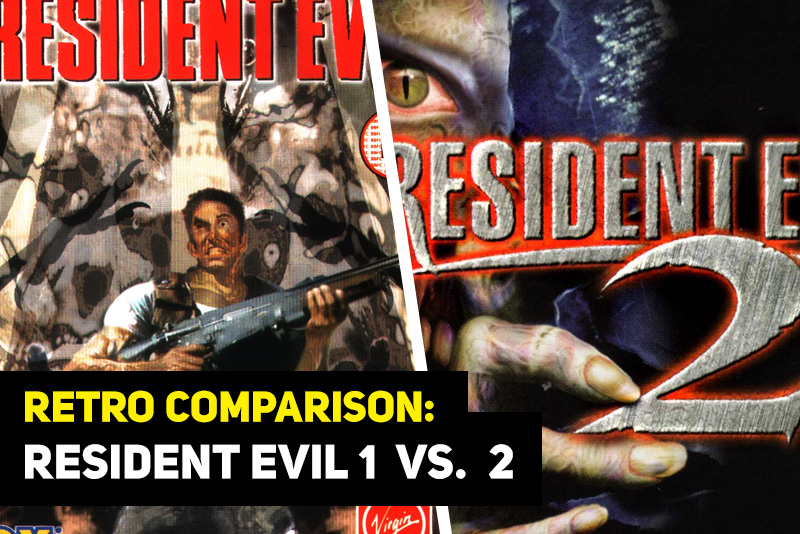
 The Resident Evil series is one of the most iconic franchises to hit store shelves during the emergence of 3D gaming consoles during the 1990’s. It was marketed to older gamers which was definitely a newer concept for console gaming. After the original Resident Evil made its mark on the industry, the announcement of the sequel created a huge buzz that only certain games of the era would attain. Resident Evil 2 did not disappoint, but it was definitely different than the original. For one, the protagonist started the game in the city with waves of zombies already attacking. Being able to play the game four different ways was also a new concept. But there is one question that I have not seen anyone truly answer: Is Resident Evil 2 as scary as the original Resident evil?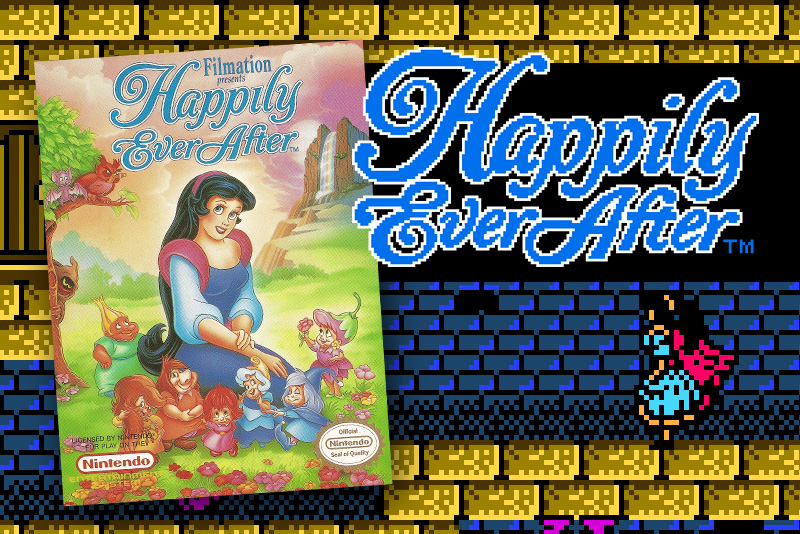
 At the turn of the 1990s an all new animated film based on the Snow White fairytale was set to hit the cinemas alongside its very own video game tie-in. Happily Ever After, as it was known, unfortunately hit all kinds of issues in production, which in turn had a knock on effect with its Nintendo NES outing.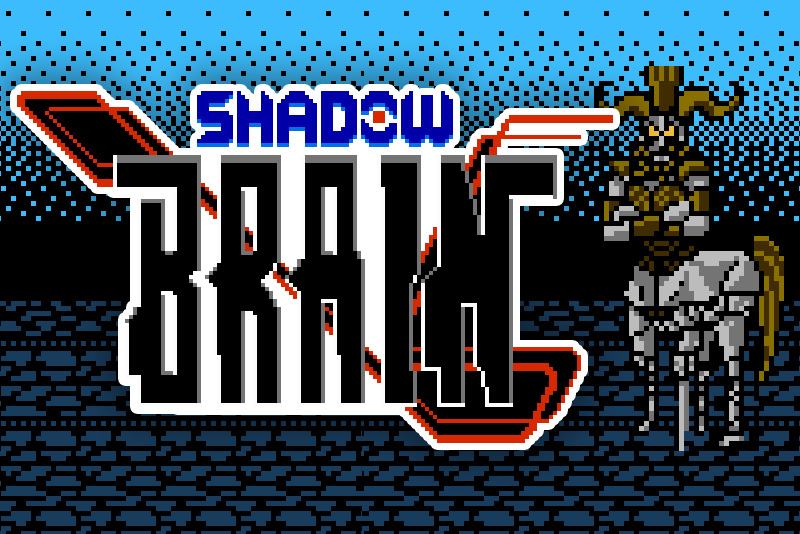
 Shadow Brain is a First Person RPG Dungeon Crawler title for the Nintendo Famicom that was only released in Japan back in May 3 1991 by Pony Canyon – who were also involved in games like Ultima I-IV and Super Pitfall. The game plays very similar to Shin Megami Tensei (NES) and is one of the few games of this genre to be available on this console. Nintendo NES/Famicom RPG fans out there will be pleased to hear that Shadow Brain has been recently translated to English.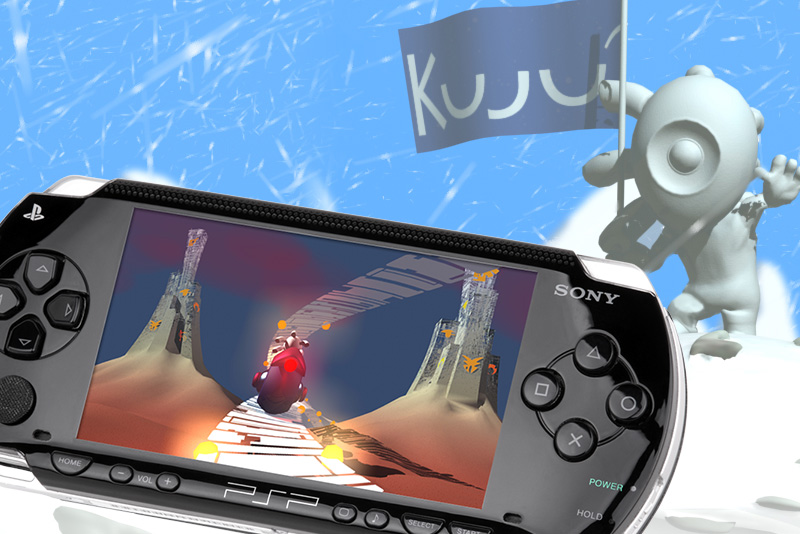
 While the PlayStation Portable’s main selling point was of course its software library, the handheld’s other pulling power was its versatility. Doubling up as a multimedia system capable of playing movies and mp3s, there was plenty on offer with Sony’s 2004 platform. While these features rarely crossed over, Kuju Entertainment’s recently discovered unreleased title Melodie was hoping to mix your music collection into the gameplay.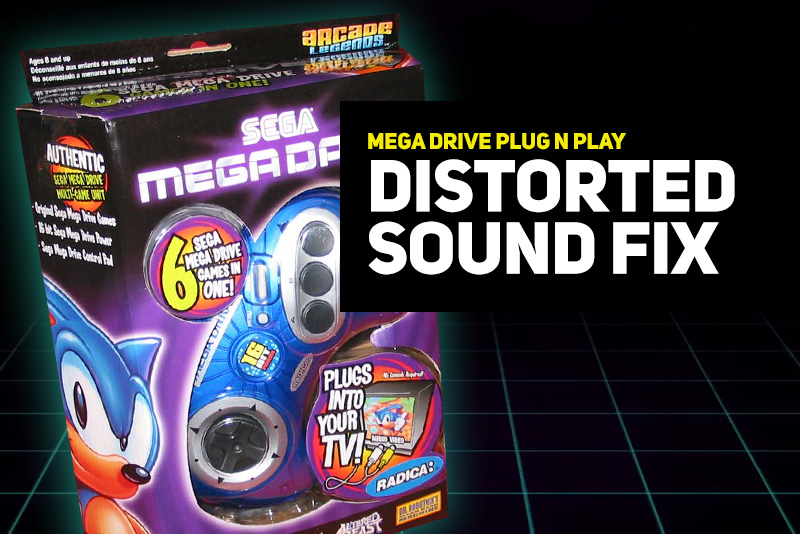
 Although the arrival of brand new retro gaming systems seemed like a great idea at the time, the Sega Mega Drive and Genesis aftermarket consoles have been anything but decent. The most crippling aspect to these all-in-one systems is their horrific audio output, giving countless 16-bit classics an awful and unfamiliar tone. With a quick soldering job though these distortions can soon become a thing of the past.
 About 24 months ago, everything (and I really do mean everything) in my life changed. Forever. I recall where I was, not necessarily what day, other than it was hot (that being a miracle in itself in Ireland), or what time, other than it was bright-ish out and I was standing in our kitchen; when my wife delivered the news that we were expecting our first child.