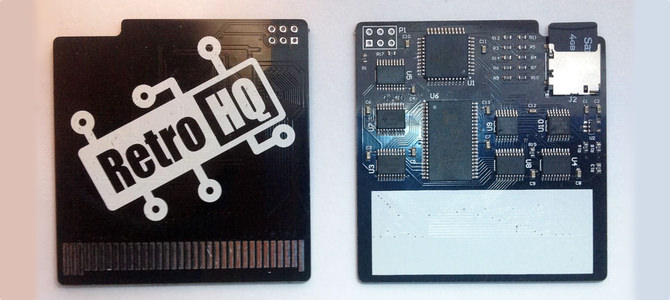
While the Atari Jaguar is often used as a punchline, Atari’s Lynx handheld is championed by most gamers as a worthy system. While the unit’s size is still a bone of contention for some, the Lynx’s software library is considered amongst the best there is for a portable gaming console and some of the games really do show the power of the 8-bit hardware. The Lynx does have a dedicated and loyal following online and nowhere moreso than the Atari Age forums, and it is from here that a new tool for Lynx gamers has emerged – an SD reader cartridge.
Taking the form of a regular Atari Lynx cartridge/card, the SD reader allows the playback of ROM files stored on a micro SD card intersted into the top of the PCB in a similar fashion to the popular Everdrive cartridges available for other retro systems. Compatible with both the original Lynx and the Lynx II, the cartridge looks to be a great way to store backups of your legally owned games/homebrew titles in one handy location. It will also support ComLynx multiplayer connectivity according to creator (Atari Age forum user) SainT.
The Lynx SD reader currently sells for £65 plus shipping and there is a fairly lengthy pre-order waiting list, but SainT is forging ahead with the units and shipping them out as they become available.
Link: Atari Age Lynx SD Reader Thread
Powered by WPeMatico


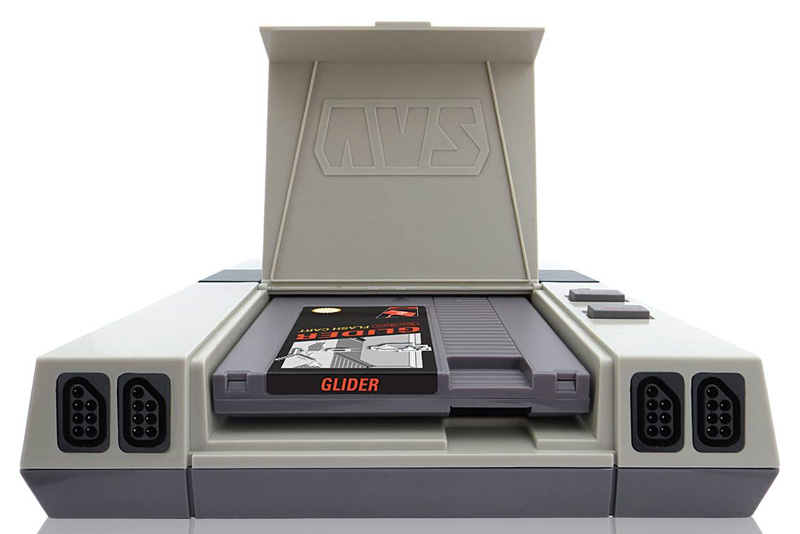
 With the constant arrival of new hardware for classic systems, it was only a matter of time before someone built the ultimate solution to enjoying Nintendo NES games three decades after its initial release. RetroUSB recently revealed on Facebook their upcoming AVS console, a spiritual revision of Nintendo’s 8-bit system with built in HDMI out and countless other features too.

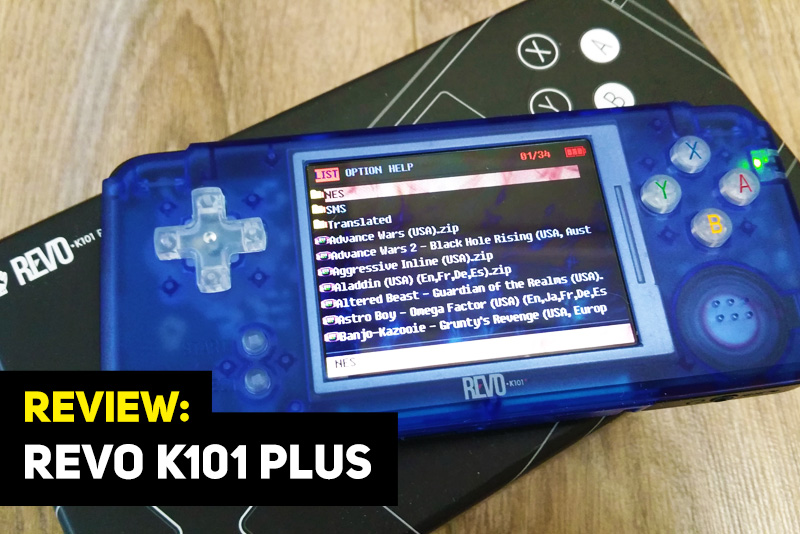
 With or without permission from Nintendo, cloned hardware has become a common sight in the gaming world ever since the arrival of countless Famiclones in the late 80s. These production lines have since spread out to cover 16-bit systems and beyond, with the more recent offerings mimicking the Game Boy line up. One of the more recent releases in this grey-area is the Revo K101+ Plus Game Boy Advance clone – a handheld promising everything the original had, and more.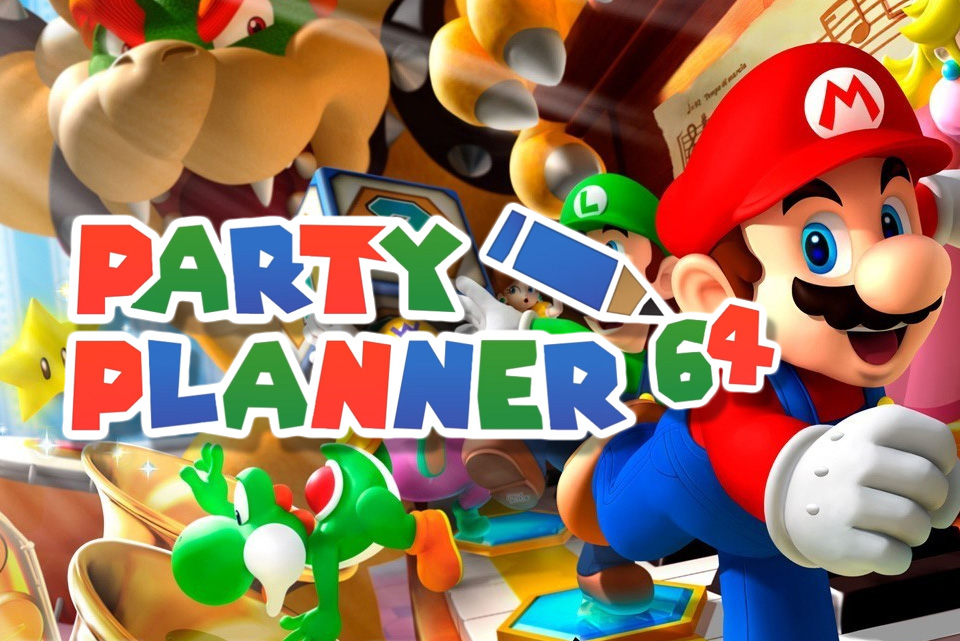
 Mario Party is often renowned for its fantastic turn based gameplay, but more notably for its tendency to cause huge arguments between gamers. Whether it be unfair rules, the stealing of stars, or lack of control over the minigames, it’s now time to put the odds back in your favour. The newly announced application Party Planner 64 lets you create your very own boards for the Nintendo 64’s unintentional brawler.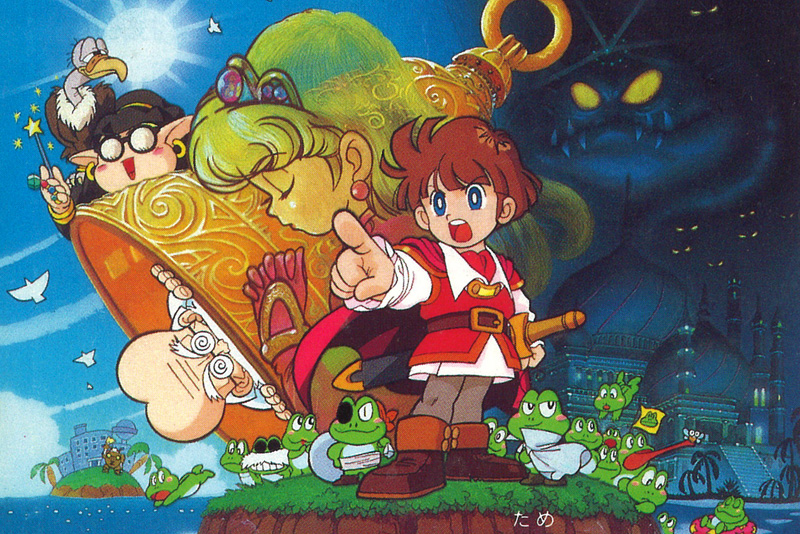
 In 1992 a Japanese exclusive adventure for the Nintendo Game Boy known as Kaeru no Tame ni Kane wa Naru hit Japan. Although remaining an exclusive release to the Far East, many would soon experience what the game had to offer as its engine was reused to create The Legend of Zelda: Link’s Awakening. A decade later
 Every had the urge to plug a more modern control pad into the Nintendo NES? You’re in luck! 8Bitdo and Analogue have partnered up to create the Retro Receiver. This controller adapter simply plugs into Nintendo’s 8-bit console, allowing PlayStation 4 pads, Wii Remotes, arcade sticks and even aftermarket Super Nintendo pads to connect up to the action.
 With such a strong heritage in the gaming world, it comes as no surprise that Sega are once again tapping into their incredible back catalogue. The newly announced Mega Drive Classics Hub is an emulation frontend that mimics the look and feel of a bedroom from the 90s, equipped with just about every 16-bit hit you’d ever want.