The next playable character for upcoming fighting game Mortal Kombat X has been revealed.
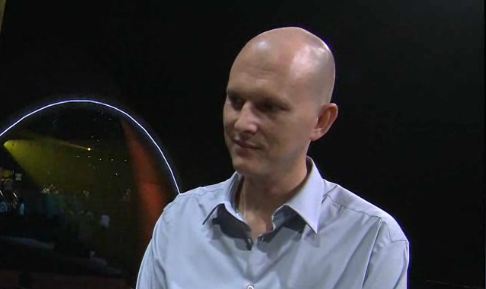
As was rumored, Johnny Cage will join the roster, fighting alongside his previously confirmed daughter, Cassie Cage. This is according to Adam Urbano, a senior producer at developer NetherRealm Studios.
Urbano says in a since-removed video interview with Game Crate (a mirror of which was also taken down) that Johnny Cage is indeed playable in Mortal Kombat X. He also suggests that Kenshi, another rumored fighter for the game, is confirmed for the game.
“You’ll get to play as Johnny Cage, but we’re also showing Cassie Cage, who is the daughter of Sonya and Johnny,” Urbano said in the interview, according to IGN. “You’ll get a chance to see Kenshi and a chance to see a couple more.”
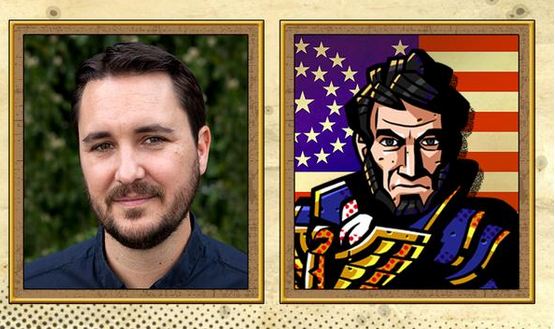
Actor Wil Wheaton’s next role has been revealed. Nintendo has announced that Wheaton, best known for roles in Star Trek: The Next Generation and the movie Stand by Me, will play Abraham Lincoln in Code Name: S.T.E.A.M, the upcoming Nintendo 3DS game developed by Fire Emblem studio Intelligent Systems.
Code Name: S.T.E.A.M. is a turn-based strategy game with third-person shooter elements. The game launches March 13 for Nintendo 3DS, but those in attendance at PAX East this weekend in Boston can play the game at Nintendo’s booth on the show floor.
Valve has experimented with virtual reality for years, but the Vive headset that it’s designed in partnership with HTC is the first anyone outside the company and its tight-knit circles have seen of its efforts. It’s an impressive piece of kit, featuring a high-res, independent display for each eye, and a chassis that’s packed with sensors to monitor your movements so that they can be replicated in VR. It’s a great VR headset, but so are the Oculus Rift and Sony Morpheus, which have seen great improvements over the last year. Yet, after my demo during GDC this week, I can say one thing with certainty: Valve has taken the lead in the VR arms race.
VR isn’t just about the headset, because for a VR system to work its magic, it needs to account for more than just what you see and where your head is. For a VR experience to truly shine, you need to be able to move and interact with your surroundings. Granted, I’ve experienced these capabilities on both Oculus Rift and Morpheus, but Valve’s solution to these problems is far and away the best yet.
Valve set me up in an empty room about 15′ x 15′ in size. I was handed a belt in order to secure the Vive’s cables to my waist, rather than having them pull down on the headset as I moved around the room. The Vive was placed on my head, and for a moment, I stared at a white landscape with pillars surrounding me, bobbing slightly in place. I began to walk around, and the pillars moved out of my way. Then the person running the demo told me to look down. There were one-handed, virtual controllers on either side of me. When he told me to grab them, I did so with ease, because they were exactly where my brain expected them to be.
Similar to Sony’s Move controllers, Valve’s prototype VR controller features positional tracking, but that’s where the similarities end. It’s closer to a Wii nunchuck than a Move controller, just larger and flatter. Where you would find the analog stick on a Wii nunchuck, Valve has placed a large touch-sensitive pad on the front, a trigger in the back, and two buttons on either side that you activate by tightening your grip on the controller. They’re comfortable and simple; everything a controller should be.
I was then told to walk around to get a feel for my surroundings. When I came close to a wall, a virtual, wire-frame wall appeared to warn me. When I reached out to touch that, I felt the real wall. Even before I started the actual demos, I was already impressed with the clarity of the headset’s screen and optics, the accuracy of the setup’s positional tracking, and the feel of the controller. And then the demos began.
The first demo put me on the deck of an old shipwreck on the bottom of the ocean. I walked around and inspected the nooks of the wreck while tiny fish swam around me, actively avoiding me when I obstructed their path. Eventually, a massive blue whale appeared and circled the wreck, and the sense of scale hit home; I was small and it was incredibly large. So far so good, but this demo didn’t do anything I hadn’t experienced in other demos. On to round two.
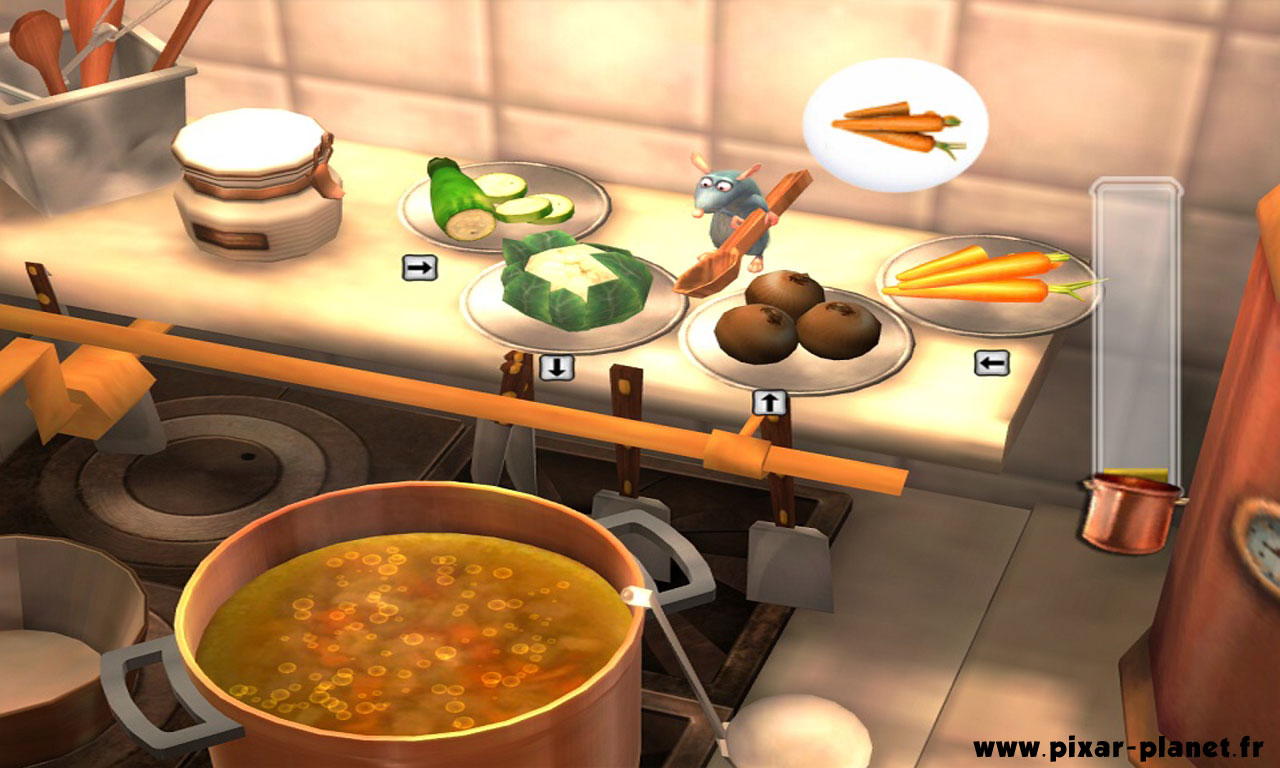
For my next trip, I was whisked to a restaurant’s kitchen, but it was rendered to look like a cartoon. My first task as head chef: make soup. A list of ingredients on a board in front of me gave me all the direction I needed. A tomato here, a carrot there, and with a pinch of salt, I’d made soup. Grabbing ingredients with the trigger came naturally with no instruction, as did squeezing the controller to squirt hot sauce out of a bottle when I decided to spice things up. Ready to serve, I put the soup on the service counter and hit the bell. “Ding!”
Moving on, my creativity was freed from the constraints of a recipe when I had the chance to paint in 3D space. Using various brushes, I created trails of color and patches of particle emitters that shed snow flakes and leaves as I drew. It was entrancing, and the sort of thing you’d imagine might go over well with psychedelic enthusiasts. The developers behind the game created a 3D flower that sprouts up when the demo starts, and while I wasn’t as adept at drawing sculptures out of thin air, I’d like to be, because drawing a simple strand of light in space was all it took for my creative drive to kick into high gear.
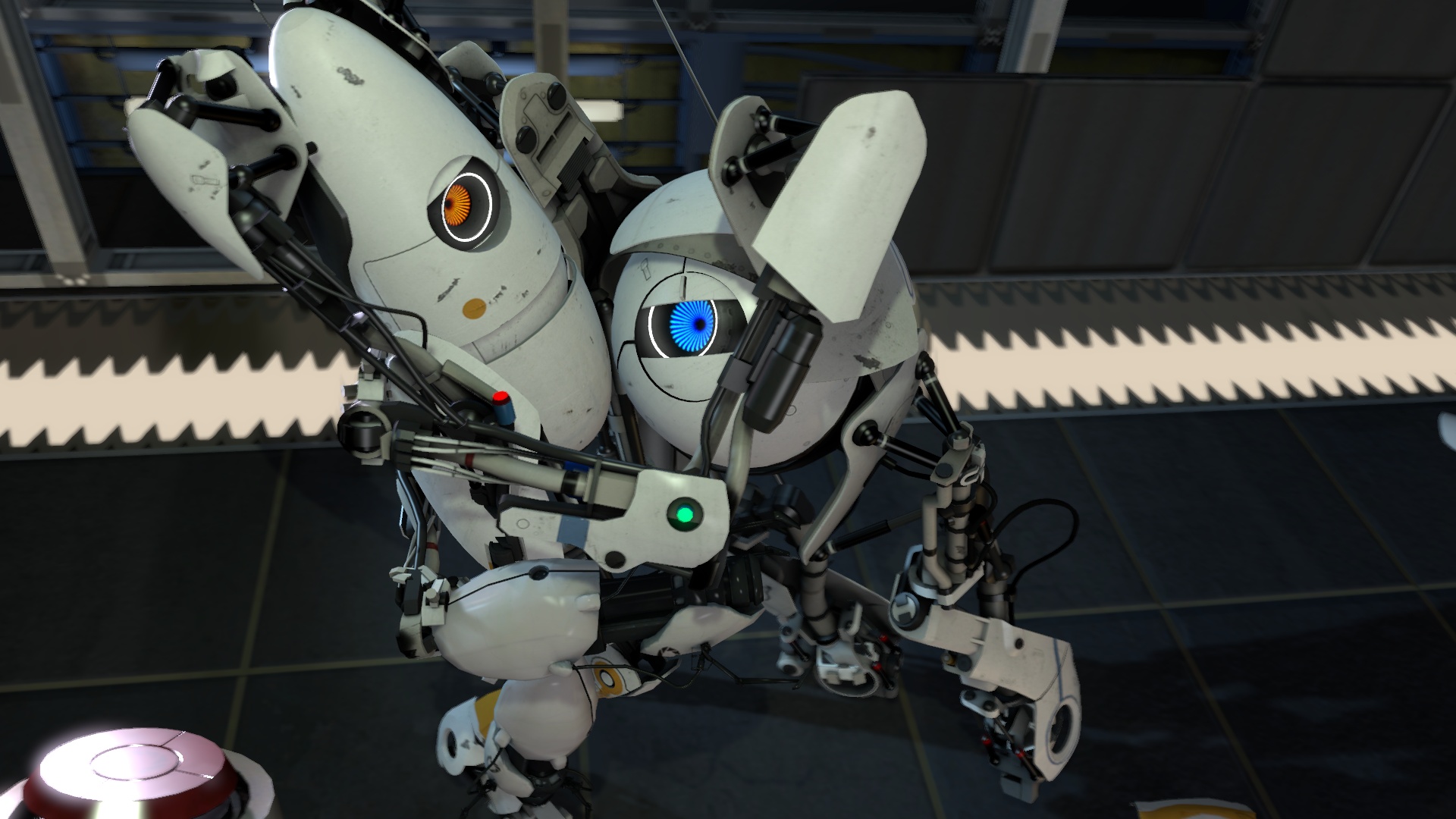
The final demo starred none other than the cast of Portal: GLaDOS and Cake. I stood in a room lined with gadgets, and outside sat two robots that were quietly passing time as one might when waiting in reception at a doctor’s office. As I tried my best to repair a robot, I was chastised and mocked for my ineptitude in classic Portal fashion. After my failed attempt to repair a robot, its remains fell through the floor. Quickly, the entire room was disassembled. I stood inches from a drop of what looked like 100 feet, and my brain hated me when I stepped into the void. Granted, I didn’t fall, but my brain anticipated that I would. I’ve had a similar experience with Oculus Rift, standing on the edge of a skyscraper, but the context in this Portal demo was that a floor which was stable was now unpredictable, and that made me feel like I had even less control over my fate.
Valve’s VR demos aren’t a far cry from what I’ve seen before, but the hardware component coupled with the small touches in the demos was what sold me. I was able to move in a relatively large area and explore my surroundings, intuitively interact with objects, fall into a trance as I created color and shapes out of thin air, and revel in my ineptitude as I floundered in the world of robots and AI. Yes, the HTC Vive is a great VR headset, and Valve’s controllers felt great, but it’s the marriage of all of that tech with thoughtfully designed software that really sold me on Valve’s flavor of VR. Valve has a reputation as the PC gamer’s company, which is probably because they listen to their users and respond in line. If they manage to deliver what I experienced today before any of the competition catches up, both on a hardware and software level, it’s going to be hard for anyone, Oculus or otherwise, to topple the current king of the hill.
If you’re caught up on the Netflix original series House of Cards, you’re likely aware that acclaimed indie game Monument Valley makes an appearance as one of the games Frank Underwood adores. As we’ve learned from previous seasons, Underwood–now the United States President–is a big fan of video games, but how did this particular indie game wind up on the show?
Monument Valley executive producer Daniel Gray shared the story with GameSpot during an interview this week at the Game Developers Conference. Gray and his team didn’t pitch the House of Cards team on bringing Monument Valley to the show; it was the other way around.
“It’s great to be seen by a whole new audience, people who wouldn’t even usually play games” — Gray
“I would really love to say that we have the best marketing strategy in the world and that we planned everything,” he said. “But the reality of it is that the writers reached out to us and they said, ‘Guys, we really, really love your game and we’ve already had it in our minds that we want to write about it; do we have your permission to use it?’”
Gray said he didn’t have to think twice about saying yes. He also reveals that as part of the deal, Gray and other employees at developer ustwo got to see the script ahead of time, which was a nice perk for fans of the series that they are.
“‘Of course you have our permission to use it; that’s a stupid question,’” he recalled saying to the House of Cards team when asked about the idea of featuring Monument Valley on the show. “So we spoke to them about it, and fortunately we got to see the script a little bit early and it’s absolutely amazing. It’s crazy. We watch the series. It’s surreal.”
The benefit of appearing on a popular show such as House of Cards is that Monument Valley is now reaching audiences that might not have otherwise heard about it, leading to further sales in the process.
“It’s great to be seen by a whole new audience, people who wouldn’t even usually play games,” Gray said. “Maybe they only watch television shows on Netflix and it’s opened them up to what mobile games can be. A whole new audience; it’s amazing.”
Another ustwo developer told GameSpot that part of the studio’s mission is to reach people who have never played games before. Bringing Monument Valley to House of Cards is a step in that direction, the company said.
Fan group The Zelda Project has released a teaser trailer for The Final Battle, a live-action short film based on The Legend of Zelda: Ocarina of Time.
The Final Battle will recreate the final encounter between Link and Ganondorf in Ocarina of Time. While we don’t witness any of the fight (or Ganondorf) in the teaser, we do get to see some signature Zelda elements, including Link, Epona, and Navi.
Two years have been spent working on the not-for-profit project, which Nintendo hasn’t officially endorsed in any way. The company is reportedly pursuing its own live-action Zelda series for Netflix, although it has yet to make any official announcements on that front.
A release date for the full short film hasn’t been announced, but a post on The Zelda Project’s website says it’s being produced this year.
Atari has released the debut gameplay footage of RollerCoaster Tycoon World, the first PC entry in the series in more than a decade.
The trailer takes us on a quick tour through an amusement park and for a ride on a rollercoaster, which you can do in the game using a variety of camera angles, including first-person. This isn’t our very first look at the game–Atari provided some screenshots last year–but it is the first time we’re seeing it in motion. We’ve still yet to see the game’s interface or what it looks like from the isometric camera angle it’s played from.
World features both single-player and multiplayer, the latter of which lets you run a park with other players or visit other players’ parks. Coasters can be constructed in 3D for the first time in series history, and terrain will be completely deformable.
Some fans of the franchise worried about its future when RollerCoaster Tycoon 4 was released last spring as a free-to-play mobile game. That was the first numbered release since 2004, and there was some blowback from players over the move to mobile and free-to-play. Atari reassured fans last year that RCT 4 wasn’t representative of the series’ future, and announced a “full premium PC experience” without microtransactions was coming in the form of World.
A price for World has not yet been announced, but a new Steam page lists its release date as “mid 2015.” You can check out a handful of World screenshots in the gallery below.
As part of its showing at this week’s Game Developers Conference in San Francisco, Microsoft published an extensive list of games “coming soon” to Xbox One as part of the ID@Xbox program, which allows independent developers to self-publish their games.
Along with a number of games we already knew were coming to the system, like Smite, Goat Simulator, and Mighty No. 9, were acclaimed platforming game Shovel Knight and computer RPG Wasteland 2.
Sony has also confirmed that Wasteland 2 will be published on PS4.
The trailer above for Wasteland 2 highlights some of the game’s notable numbers–it has a ton of text and is the sequel to a 26-year-old game–and details some upgrades the game is getting as part of what’s being called the Game of the Year Edition.
In addition to the improved visuals we recently heard about on PC, developer InXile is adding a new “quirks and perks” system, a new “precision strike” system, and new voiceovers for “all major speaking parts and [customized] NPCs.” The video also specifies some of the graphical changes being made, including updated characters models for all party members and a “complete art and lighting overhaul.”
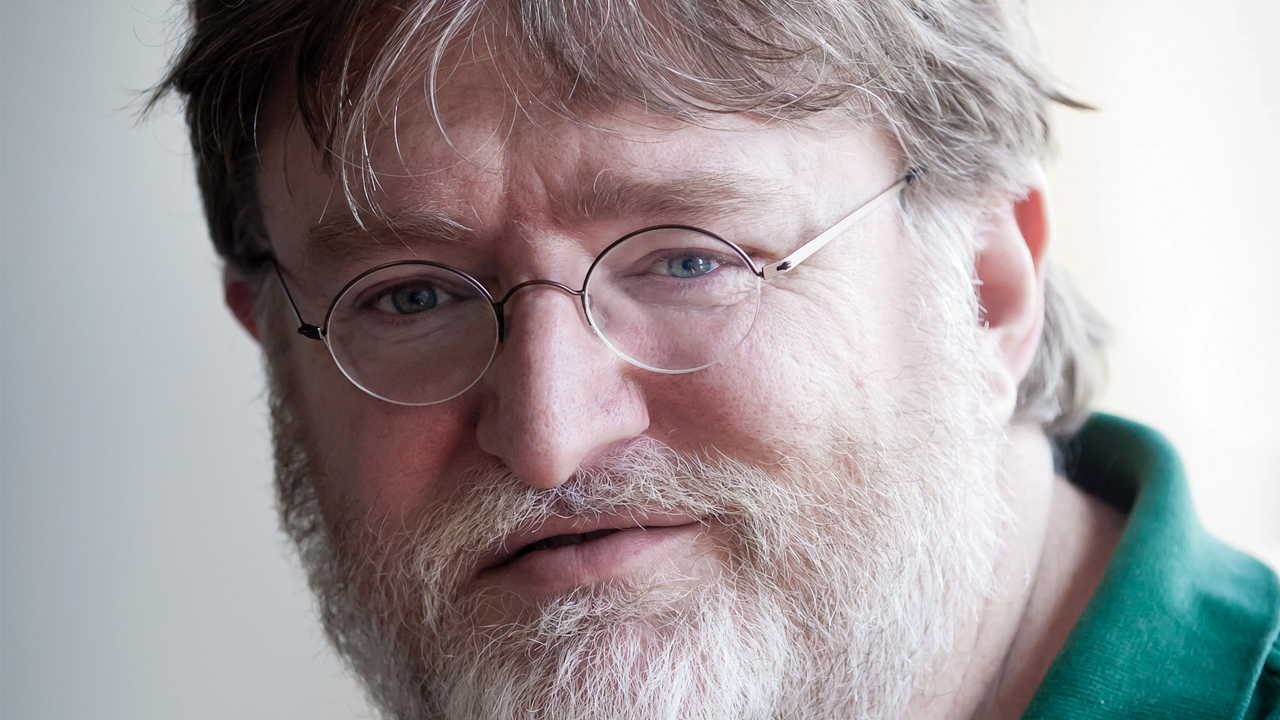
Gabe Newell co-founded Valve in 1996. His first game at the studio, Half-Life, was critically acclaimed
Video game entrepreneurs Markus Persson and Gabe Newell have both joined an annual list which estimates who are the world’s richest people.
Newell, who co-founded Valve in 1996, has cultivated the company during its pioneering transition to the digital PC games business. Its flagship platform, Steam, has amassed more than 125 million active users since its launch in 2003. With Newell the majority shareholder at Valve, his net worth is currently $1.3 billion.
According to Forbes, which estimates his net worth, Newell is one of the 500 richest people in the US.
Joining him on the list is Markus Persson, better known by his online handle “Notch”, whose net worth is also put at $1.3 billion.
Persson is one of the youngest entrepreneurs to join the list. He founded the Sweden studio Mojang in 2009, when his breakthrough game Minecraft escalated into a phenomenon.
Elite: Dangerous, the modern day reboot of Frontier Developments’ iconic spacefaring game, will be released on Xbox One as a console exclusive later this year.
Phil Spencer, the Microsoft executive in charge of Xbox, announced the deal during a press conference held at GDC on Wednesday. Later in the day, Frontier Developments exec David Braben assured fans that the console port would be “the complete and authentic Elite: Dangerous experience”.
In a follow-up interview with GameSpot, Braben said it was not an easy choice to lock the game to one console platform exclusively.
“I think there were lots of factors – it was a hard decision,” he said, “they’re both great platforms.”
Braben suggested that his studio’s previous partnerships with Microsoft, such as with the Xbox One launch title Zoo Tycoon, gave him more reasons to partner with Microsoft.
“We’ve had a long relationship with Microsoft,” he told GameSpot.
“The Xbox audience has been very good to us. We’ve sold quite a few Xbox games with Microsoft. We also had a launch title for Xbox One, so our tools and technology has been battle-hardened on Xbox One already.
“We have a lot of experienced people at the studio who know Xbox One intimately, so it actually is a very logical choice for us. Also, Xbox One sales have been doing very well since the price went down, so it’s an exciting time. But it was a difficult decision.”
Elite: Dangerous shipped on PC in December, and drew a mixed response from critics. GameSpot’s Elite Dangerous review summarised: “simply existing in Elite: Dangerous is enough to drive home its incredible scale,” but added that “most of space is populated only by stale trading systems and fetch quests.”
Microsoft corporate vice president Phil Harrison, a senior member of the Xbox leadership team, is planning to leave the company. That’s according to a new report from GamesIndustry International, which cites multiple unnamed sources with the information.
Phil Harrison
Microsoft has declined to officially comment on the matter. It told GameSpot that it does not discuss “rumor or speculation”.
Harrison, a former longtime Sony PlayStation executive, joined Microsoft in 2012. In his role as corporate vice president, he is responsible for leading Microsoft Studios Europe, overseeing UK-based developers such as Lionhead Studios, Soho Productions, and Rare Ltd.
Finally, the site claims Harrison issued an ultimatum to Microsoft, saying he would leave the company if he was not offered a new, better position.
Rumors of Harrison’s departure from Microsoft come on the same day that GamesIndustry International also reported that Microsoft’s Lift London and Soho Productions would merge. Harrison was instrumental is founding Lift London.
GameSpot will have more details on this story as they become available.